The year 2026 presents exciting opportunities in home addition planning, focusing on integrating sustainable design elements and cutting-edge technologies. As homeowners increasingly seek eco-friendly solutions, sustainable building materials have gained popularity. These materials not only benefit the environment but also enhance energy efficiency, contributing positively to long-term savings. Incorporating smart home technology has become a must, allowing for greater control over home functions and providing a seamless living experience.
Home addition planning in 2026 places a strong emphasis on sustainable design. By integrating energy-efficient features, such as solar panels and high-performance insulation, homeowners can significantly reduce their carbon footprint. These innovations not only enhance the home’s functionality but also contribute to greater property value.
Incorporating smart technology into your home addition planning is key to creating a modern and efficient space. Smart systems offer convenience and improved security, making everyday tasks more manageable. This integration ensures that the new addition is not only aesthetically pleasing but also future-ready.
Innovative architectural solutions are at the forefront of home addition planning, allowing for seamless expansions that blend with existing structures. By utilizing open floor plans and natural lighting, these additions enhance the home’s overall ambiance and utility. Focused planning ensures that every element of the design contributes to a cohesive and beautiful living environment.
Understanding zoning laws is a crucial aspect of home addition planning. These regulations vary widely depending on the location and dictate what changes can be made to a property. A thorough knowledge of local zoning ordinances ensures that your home addition planning adheres to legal requirements, preventing potential legal disputes and costly alterations. When planning a home addition, it’s vital to consult with local authorities or planning boards to understand zoning restrictions from the outset. This foresight helps in creating a feasible plan that aligns with your vision and complies with legal standards.
Zoning laws are designed to regulate land use, shape community development, and maintain neighborhood aesthetics. These laws can affect the size, style, and location of your home addition. For example, some zoning ordinances might limit the height of your extension or require specific architectural styles to maintain uniformity in the neighborhood. In home addition planning, understanding these basics allows for the integration of your project into the community landscape, facilitating both functionality and aesthetics.
To effectively navigate these regulations, collaboration with experienced professionals like architects and contractors familiar with local zoning laws is invaluable. They can provide insights and solutions tailored to your specific area. During the home addition planning process, it’s also wise to get preliminary approval or feedback from local zoning boards before finalizing your design. This proactive approach can prevent future roadblocks and ensure a smooth transition from planning to completion, safeguarding your investment and enhancing property value.
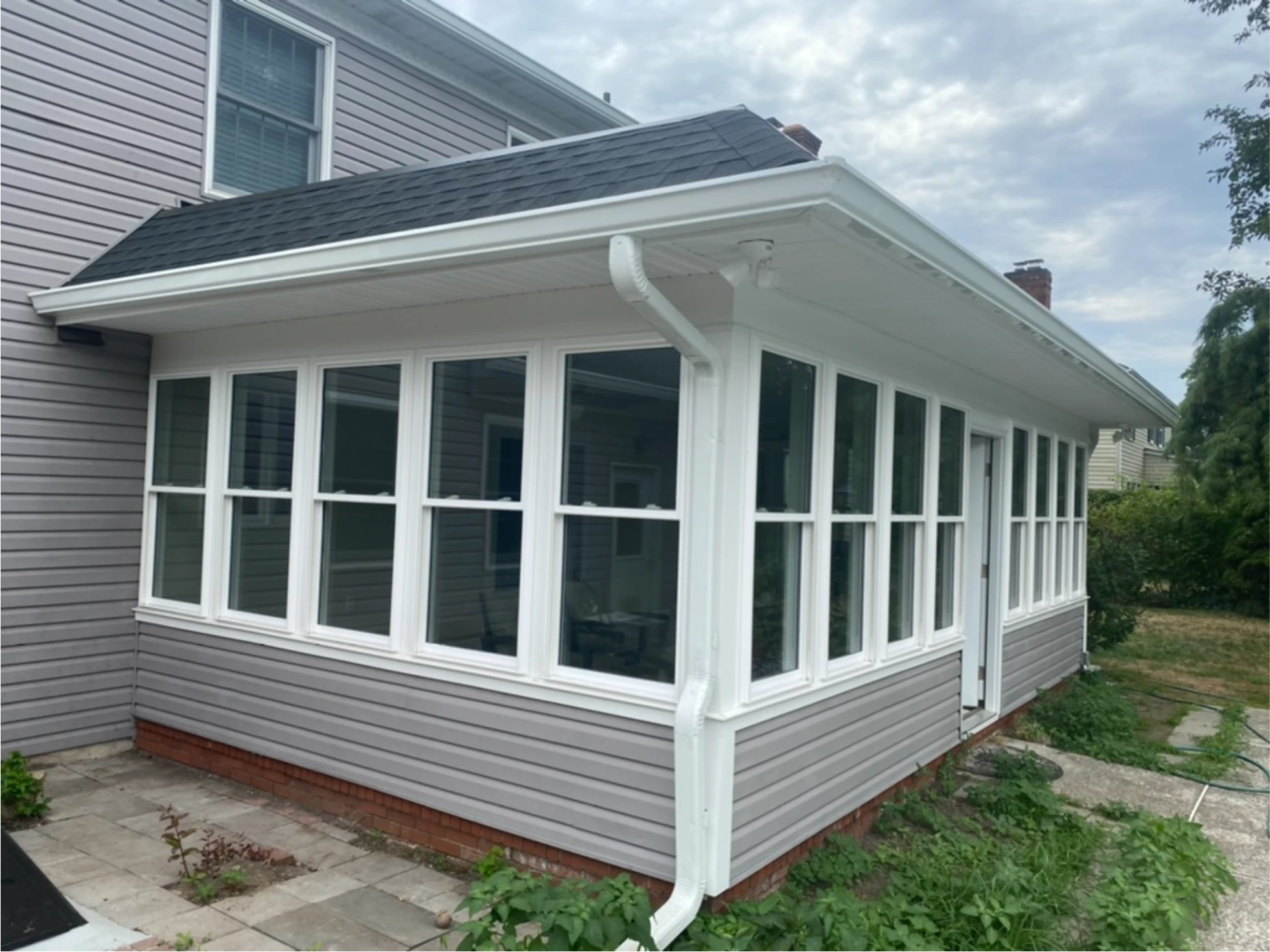
Budgeting effectively for your home addition project requires a comprehensive approach. Start by evaluating the costs of materials, labor, permits, and other essential expenses. When planning your budget, be sure to account for unexpected expenditures that may arise during construction. Home addition planning is not only about the immediate costs but also the long-term financial implications. Engaging with experienced architects and contractors can provide realistic estimates and valuable insights into cost management.
Exploring various financing options is crucial for maintaining a realistic financial plan. Whether through savings, loans, or refinancing, ensuring you have sufficient funds before beginning the project is essential. Investigating current interest rates and loan terms can also aid in selecting the most suitable financial route. Home addition planning should factor in any potential fluctuations in financial markets, which may impact your funding strategy.
To reduce costs, consider sustainable building materials that enhance both energy efficiency and home value. Another key aspect of home addition planning is negotiating with contractors and suppliers for better deals. Ensuring efficient project management can help keep timelines on track, further controlling expenses. Using modern technology and smart home solutions can optimize both cost and functionality. In summary, careful financial planning ensures your home addition project enhances living conditions without straining your budget.
Choosing the right architect for your home addition planning is critical to the success of your project. Begin by assessing the architect’s experience and ensuring they have a history of successfully completing similar projects. Experience not only indicates a strong grasp of technical aspects but also familiarity with local zoning laws and building codes that are vital during the planning process. Additionally, examining their past work will allow you to gauge if their design style aligns with your vision for the home addition.
An architect’s ability to communicate effectively is crucial in translating your vision into reality. They should be adept at listening to your needs while providing clear guidance and practical solutions. Effective communication ensures the architect fully understands your requirements and can seamlessly integrate them into the home addition planning, minimizing potential missteps and ensuring you are satisfied with the final design.
Lastly, it is essential to choose an architect who can work within your budget and specific requirements. A skilled architect will balance aesthetic goals with financial constraints, ensuring your home addition planning remains financially viable. When interviewing potential candidates, discuss budgetary boundaries candidly and evaluate their capacity to deliver quality results without exceeding the set limits.
In today’s home addition planning landscape, integrating sustainable materials is not just a trend but a necessity for eco-conscious homeowners. Incorporating such materials can significantly lower the environmental footprint of your project while offering potential cost savings in energy efficiency and maintenance. Sustainable building practices positively impact the environment by reducing waste and utilizing resources more efficiently, which aligns perfectly with the growing demand for eco-friendly living spaces in 2026.
Choosing sustainable materials in your home addition planning process can enhance the durability and resilience of your new space. These materials often perform better over time, reducing the need for frequent replacements. They also offer better insulation, leading to decreased energy consumption and subsequent costs.
Incorporating sustainable materials into home addition planning not only supports environmental goals but also enhances property value. A well-planned, eco-friendly addition can attract potential buyers who prioritize sustainability, thereby improving resale prospects. With an increased focus on sustainable building practices, these projects offer both immediate and lasting financial benefits.
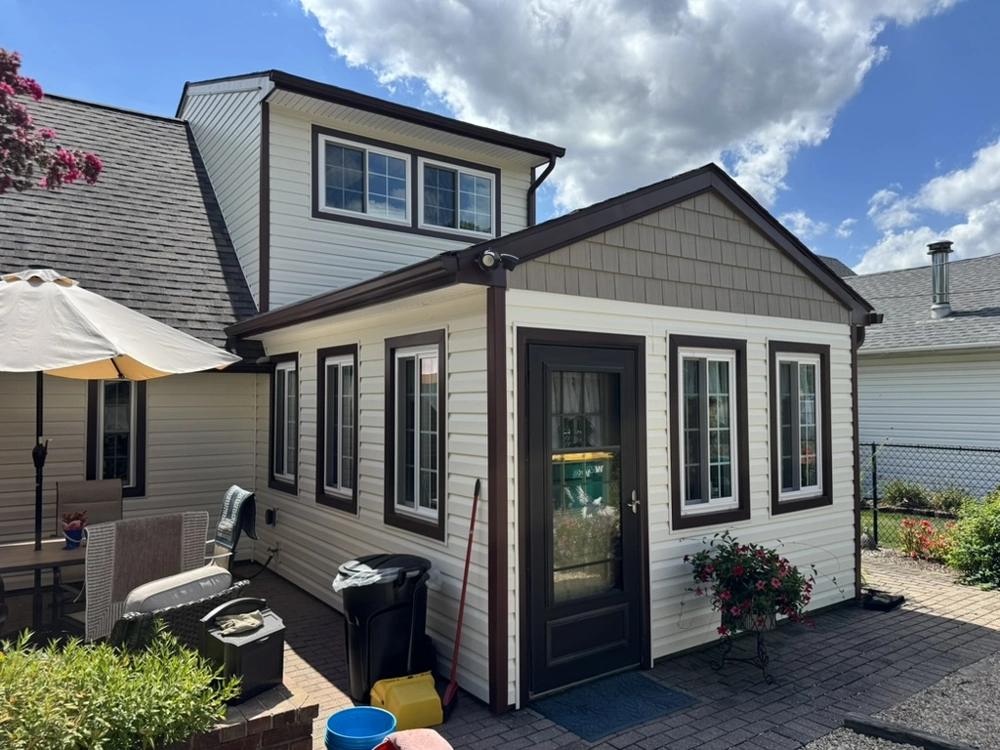
Incorporating design strategies that maximize natural light is an essential aspect of home addition planning. Proper window placement is crucial; consider installing large, strategically-positioned windows to allow ample sunlight to flood into your new space. Skylights are another excellent option; they enhance the amount of natural light and add an architectural flair. The improved lighting doesn’t just illuminate interiors; it contributes significantly to reducing electrical lighting needs, promoting energy efficiency.
Energy-efficient home addition planning requires effective insulation techniques. Use high-quality insulation materials to ensure that your addition retains heat in winter and stays cool in summer. Effective insulation reduces the energy consumed by heating and cooling systems, leading to lower utility bills and a reduced carbon footprint. This approach is part of the growing trend of sustainable construction, ensuring your addition is both eco-friendly and cost-effective over time.
In 2026, integrating smart home technologies is a key trend in home addition planning. Employing energy-efficient solutions such as smart thermostats, energy-efficient windows, and automated lighting systems can optimize your home’s energy use. These technologies not only provide convenience but also ensure that energy consumption is minimized. A well-planned implementation of these features creates a sustainable, technologically advanced living space that enhances the overall functionality and comfort of your home addition.
A well-planned home addition can significantly enhance your property’s market value by offering increased space and improved functionality. When engaging in home addition planning, it is important to ensure that the new design complements the existing structure. This not only maintains the aesthetic appeal but also adheres to local zoning laws and building codes. By doing so, the addition becomes a seamless part of the home, which potential buyers will value when considering a purchase.
Several elements contribute to a successful home addition planning process. One crucial aspect is budget evaluation and securing the necessary financing. Hiring experienced architects or contractors can lead to innovative designs that consider natural light and energy efficiency—factors that are increasingly important to buyers in 2026. These sustainable features, along with smart home technologies, can further enhance the property’s appeal and value.
Another critical consideration during home addition planning is forecasting future market trends. Understanding what potential buyers may seek in the coming years allows homeowners to incorporate features that increase long-term property value. This forward-thinking approach not only maximizes the immediate benefits of the addition but also ensures a significant return on investment when selling the property in the future.
Exploring the integration of smart home technologies into home addition planning reveals numerous benefits for homeowners. These technologies enhance convenience by automating everyday tasks, making life more comfortable and efficient. For instance, smart thermostats can optimize energy usage by adapting to the homeowner’s schedule, thereby contributing to significant cost savings and a greener home environment. Incorporating smart lighting and intelligent home assistants also aligns with the latest home addition planning trends, offering seamless control over various home systems from anywhere.
Security is another crucial area where smart technologies shine, making it imperative in home addition planning. Modern security systems include smart locks and cameras that can be controlled remotely, providing peace of mind whether you’re at home or away. Additionally, smart sensors and alarms can alert homeowners to any potential security breaches, enhancing the overall safety of the residence.
Incorporating smart home technologies into a new home addition not only makes the space more functional today but also adds to its long-term appeal. This future-proofing aspect is essential in home addition planning, ensuring the addition aligns with evolving technological trends. Homeowners can expect a boost in property value as smart homes continue to attract prospective buyers looking for modern conveniences. Investing in renewable materials and smart systems often yields a favorable return due to increased buyer interest and energy efficiency considerations.
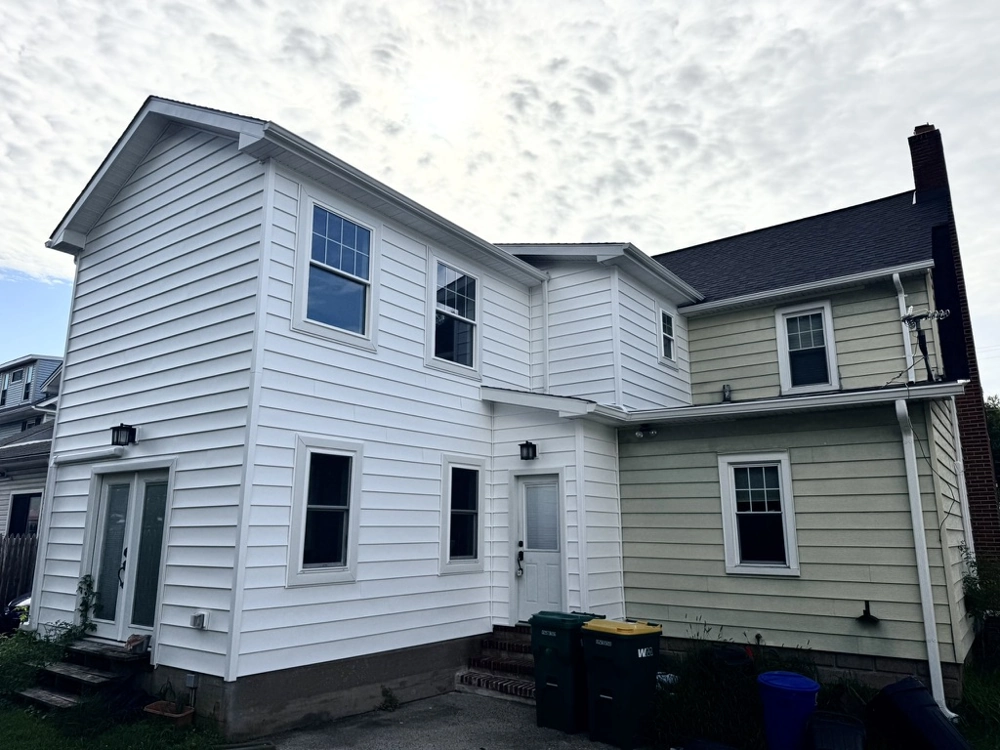
Building codes are a fundamental aspect of home addition planning, ensuring that any structural changes enhance safety and compliance. Before embarking on a home addition project, it’s critical to grasp the intricacies of these regulations to avoid potential setbacks. By aligning your design with local building codes, you can minimize risks associated with costly modifications and time delays, ultimately crafting a seamless home addition experience.
One primary reason for adhering to building codes is that they set a standardized benchmark for safety and structural integrity. During home addition planning, take the time to familiarize yourself with zoning laws applicable to your area. This not only ensures safety compliance but can also prevent future legal challenges.
Integrating building codes into the early stages of your home addition planning lets you identify potential issues before they escalate into significant problems. A proactive approach can save time and resources, preventing wasteful retrofits. Consider consulting an expert to ensure your plans align with all regulations.
By strategically planning with building codes in mind, you can create a safe and efficient home addition that stands the test of time.
Effective project management is critical in ensuring a successful home addition planning process. It involves coordinating schedules, keeping the budget in check, and maintaining open communication among all parties involved. Without proper project management, home addition planning can quickly spiral out of control, leading to delays, cost overruns, and subpar results. Integrating project management best practices is key to navigating potential pitfalls.
Effective scheduling is a cornerstone of successful home addition planning. Coordinating the availability of contractors, architects, and other professionals is essential to ensure the project progresses smoothly. Balancing these components helps prevent bottlenecks and maintains momentum throughout the project.
Managing the budget is another crucial element of home addition planning. Project managers play a vital role in forecasting expenses and managing unexpected costs. They help ensure that the financial aspects of the project align with the homeowner’s expectations and avoid unnecessary financial strain.
Clear communication is imperative in maintaining the quality and efficiency of a home addition project. Project managers act as a central hub for information, ensuring that everyone involved has up-to-date and accurate details. This level of communication helps in addressing issues promptly and keeps the project on track.
When considering home addition planning, it’s crucial to focus on future-proofing the design to enhance resale appeal. By incorporating flexible spaces, homes can easily adapt to the changing needs of future buyers, offering a multifunctional environment that suits various lifestyles. Understanding the importance of versatile design, you can incorporate elements that allow for seamless transformations. For example, a room built as a home office today could be converted into a nursery or additional bedroom if needed. This adaptability makes the property more attractive in the long-term market.
Selecting enduring materials is another key element in smart home addition planning. Opt for high-quality, sustainable materials that not only contribute to energy efficiency but also stand the test of time. This decision not only minimizes maintenance costs but also boosts the home’s marketability due to its durable nature. Choosing materials with a timeless aesthetic ensures they remain in vogue for many years, appealing to a wide range of potential buyers.
Incorporating timeless design features is a strategic aspect of home addition planning that can significantly impact resale value. Classic architectural details and neutral color schemes tend to resonate well with a broad audience, making the home more universally appealing. These enduring design choices not only enhance visual appeal but also ensure that the home does not appear dated, thereby attracting future buyers who appreciate both style and substance.
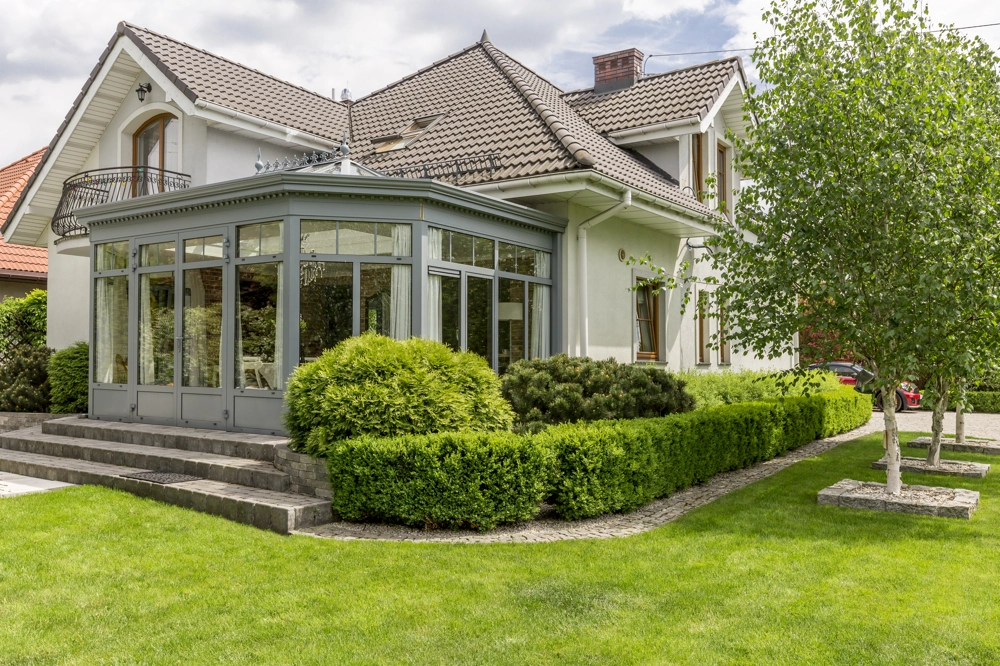
Tailoring spaces to meet practical needs should be at the forefront of any home addition planning. To ensure your home extension adds maximum value, consider design elements that enhance usability and flow. These elements should cater not only to current lifestyle demands but also anticipate future adaptations. The key is prioritizing a layout that integrates seamlessly into the existing environment while providing innovative solutions for organization and efficiency.
Incorporate open-plan designs to facilitate better movement and interaction within the home. Strategically place windows and doors to maximize natural light and ventilation. Create multi-functional spaces that can adapt to varying daily activities or unexpected changes in family dynamics.
Integrate sustainable building materials and smart technologies to ensure your home remains relevant and energy-efficient. Plan for potential future modifications, such as accommodating mobility needs, by incorporating flexible design elements. Consider how each addition will impact long-term property value and resale potential, ensuring your home remains a worthwhile investment for years to come.
During the home addition planning process, account for zoning laws and building codes that may influence design decisions. Budget effectively by exploring financing options that align with your financial situation. Collaborate with experienced architects or contractors to turn your vision into a functional reality.
Achieving a harmonious balance in home addition planning requires carefully considering both aesthetic preferences and practical requirements. Start by identifying your personal style and how it aligns with the intended functionality of the new space. Aesthetics don’t have to be sacrificed for practicality; instead, they should complement each other to create a cohesive design. Effective home addition planning involves maximizing existing space efficiently while incorporating elements that reflect your taste.
Selecting a design that harmonizes with your home’s current architecture is essential. Consider elements like texture, color schemes, and materials that blend seamlessly. Be open to innovative ideas that align aesthetic beauty with spatial efficiency.
While aesthetics are important, functionality should not be overlooked in home addition planning. Ensure the design facilitates improved movement and interaction within the space. Thoughtfully position windows and doors to enhance natural light and accessibility.
Successfully merging aesthetic and practical needs leads to a well-balanced addition that enhances your living environment. Consider these points for a balanced approach:
By focusing on these aspects, you can achieve a home addition that serves your present needs and adapts to future changes, providing lasting value.
Home addition planning in 2026 offers valuable insights through various real-world case studies. These examples highlight both the success stories and the obstacles encountered during the execution of home expansions. By examining these cases, homeowners can extract useful lessons to optimize their home addition planning process. These experiences underline the importance of integrating modern trends, such as sustainable materials and smart home technologies, which have proven effective in enhancing both functionality and aesthetics.
One remarkable trend in 2026 involves the innovative use of technology within home addition planning. Several case studies demonstrate the successful incorporation of smart home systems that improve energy efficiency and convenience. This approach not only meets the current needs of homeowners but also increases the property’s market appeal. Emphasizing sustainable building materials has also been a key takeaway, ensuring that the new structures are environmentally friendly and cost-effective over the long term.
Despite the numerous success stories, challenges in home addition planning persist. Adhering to zoning laws and building codes remains a critical consideration and can affect timelines significantly. Homeowners who effectively navigate these regulations often collaborate closely with experienced architects and contractors. Their expertise helps in devising strategies to align the new addition seamlessly with existing structures while keeping within legal limits.
Key factors contributing to successful home addition planning include thorough budget analysis and strategic project management. Projects that come in on time and within budget have typically involved clear communication with all parties involved. Additionally, paying attention to aspects like natural light and layout design not only improves living conditions but also augments the property’s long-term value, offering a blueprint for future ventures in home addition.