
Embarking on a kitchen remodel requires meticulous planning, with budgeting playing a pivotal role in ensuring a successful outcome. Setting clear financial parameters from the start helps prevent overspending, enabling homeowners to adhere to a balanced and well-organized approach. The cost of kitchen remodel projects can vary significantly, making it essential to account for all potential expenses to avoid financial strain.
Establishing a budget is a foundational step in managing the cost of kitchen remodel projects effectively. This involves understanding the average cost range, which, as of 2026, spans from $25,000 to $50,000 for standard renovations. Factoring in potential high-end expenses, which may exceed $100,000, is also crucial. By delineating these financial boundaries, homeowners can prioritize components like materials and labor without compromising on quality.
Adopting various strategies can help manage the overall cost of kitchen remodel endeavors. Allocate funds for unforeseen expenses to avoid budgetary surprises. Research energy-efficient appliances that provide long-term savings on utility bills. Consider sustainable materials to complement the design, even if initial costs are higher. Consulting with a professional designer can optimize both space and expenditure, ensuring an aesthetically pleasing and cost-effective renovation.
A kitchen remodel is an exciting yet challenging endeavor, particularly when considering the cost of kitchen remodel as it stands in 2026. With economic fluctuations and evolving market trends, the average cost for a kitchen remodel in the United States ranges from $25,000 to $50,000. These figures reflect adjustments due to inflation and heightened demand for both materials and skilled labor. High-end remodels, featuring luxury materials and extensive work, may even surpass $100,000.
Several elements influence the cost of kitchen remodel projects. Labor expenses, for example, vary significantly depending on your location and the project’s complexity. The choice of materials, such as opting for energy-efficient appliances or sustainable countertops, can raise initial costs but often bring long-term savings through reduced utility bills. Additional factors like permitting fees and any necessary structural changes add to the overall budget. Conducting thorough research and crafting a detailed plan can help you determine if your project aligns with these averages.
To effectively manage the cost of kitchen remodel, consider these tips:
Engaging with a professional designer can further enhance space utilization and ensure your renovation stays on track budget-wise.

When embarking on a kitchen remodel, understanding the key factors that influence costs is essential. The cost of kitchen remodel projects can be significantly impacted by the size of the space. Larger kitchens typically require more materials and labor, often resulting in higher expenses. Additionally, the choice of materials plays a crucial role; high-quality materials like granite countertops or custom cabinetry can elevate both the cost and the overall appeal of your kitchen.
Labor costs are another critical aspect to consider when calculating the cost of kitchen remodel ventures. These costs can vary depending on the complexity of the project and where you are located. It’s advisable to allocate a substantial part of your budget to skilled labor to ensure the remodel is executed to a high standard and meets your design expectations.
The extent of structural changes is also a significant contributor to the cost of kitchen remodel. Projects that involve moving plumbing or updating electrical systems can substantially increase the budget. It’s important to assess which changes align with your design goals and financial capacity, allowing you to prioritize necessary adjustments over optional enhancements. Prioritizing these elements can help in achieving a successful outcome while managing expenses effectively.
When planning a kitchen remodel, it’s essential to consider how location significantly impacts overall expenses. Urban areas often exhibit higher labor costs due to elevated living expenses and a denser market of skilled tradespeople. In contrast, rural regions might have lower labor costs but could face challenges related to the availability of materials and skilled workers. This can lead to delays and additional expenses in transporting necessary supplies.
In urban settings, the cost of kitchen remodel can climb due to increased demand for services and materials. City contractors might charge more, given the heightened cost of living and operational expenses. Conversely, in rural areas, you might find lower labor charges but could encounter limited access to certain high-end materials, leading to potential cost increases for transportation.
Location also influences material costs. Urban areas tend to have better access to a variety of materials, allowing for competitive pricing. However, in remote locations, limited supplier options can result in higher prices due to scarcity and longer shipping distances.
Labor rates are another area where geographic variance is evident. In densely populated metropolitan areas, you may pay more for skilled labor because of the competitive market and higher living costs. Conversely, rural locales might offer more economical labor rates, although finding specialized workers could pose a challenge, potentially affecting project timelines and the overall cost of kitchen remodel.
Choosing the right materials is paramount when you want to manage the cost of a kitchen remodel effectively. It’s important to strike a balance between quality and price without compromising on the functionality or aesthetic appeal of your space. One method for keeping the cost of kitchen remodel in check is to opt for medium-priced materials that are durable and visually appealing. Quartz countertops, for instance, are a popular choice that offers resilience and aesthetics at a reasonable price compared to granite or marble. Additionally, consider laminate or vinyl flooring as cost-effective options that mimic the look of hardwood or tile.
When selecting materials, focus on those that provide long-term value without a hefty price tag. Cabinetry is often a major expense in the cost of kitchen remodel. Opt for ready-to-assemble cabinets, which are more affordable and often made with durable materials. Another great tip is to choose energy-efficient appliances, which, although they may have a higher upfront cost, can reduce utility bills over time.
For budget-conscious homeowners, there are several clever strategies to reduce the cost of a kitchen remodel. Consider resurfacing or repainting existing cabinets instead of replacing them entirely. Use a tile backsplash to add character without breaking the bank, and explore reclaimed wood or butcher block for countertops as budget-friendly alternatives. By choosing wisely, you can maintain quality and keep expenses within your budget.

Labor expenses significantly contribute to the overall cost of a kitchen remodel, often representing one of the most substantial portions of the budget. The cost of kitchen remodel projects can vary widely, but labor tends to be a constant influencer across different regions and projects. Understanding how labor costs impact your budget is crucial for effective financial planning and ensuring your renovation proceeds smoothly.
To manage labor expenses effectively, consider hiring reputable contractors who have transparent pricing models. This clarity allows homeowners to anticipate costs better and plan accordingly. Additionally, obtaining multiple bids from different contractors provides insights into general pricing trends and helps in negotiating better terms.
It’s essential to recognize that hiring skilled contractors can enhance the quality and efficiency of your remodel, potentially saving time and money in the long run. Investing in experienced professionals might seem costly initially, but it minimizes the risk of errors that could lead to additional expenses. Skilled labor not only ensures compliance with building regulations but also enhances the overall execution of your kitchen remodel.
Clearly communicating your expectations with the contractors can mitigate unexpected expenses during the project. It’s important to discuss potential challenges upfront and incorporate flexible budgeting strategies. Successful management of labor costs requires a comprehensive understanding of all expenses involved in the cost of a kitchen remodel.
Integrating energy-efficient appliances during a kitchen remodel presents an opportunity to explore the balance between initial investment and long-term savings. While the upfront expense might appear intimidating, the financial benefits accrued over time can significantly offset these costs. Energy-efficient appliances can considerably lower monthly utility bills, effectively reducing the overall cost of kitchen remodel in the long run.
Opting for energy-efficient solutions not only enhances your home’s value but also contributes to reducing your carbon footprint. This sustainable choice pays dividends over time, translating into a more environment-friendly lifestyle and minimized energy consumption. The long-term financial gains often supersede the initial outlay, making it a pragmatic choice for many homeowners.
When weighing the cost of kitchen remodel, it’s crucial to consider how energy-efficient appliances can influence future savings. Start by evaluating the energy ratings of potential appliances, as these can provide insights into their long-term efficiency. Here are key factors to consider:
Balancing these elements effectively ensures that your kitchen upgrade meets both financial and ecological goals.
When planning a kitchen renovation, it’s crucial to consider all potential expenses, including permitting fees. These fees play a crucial role in ensuring that your remodel complies with local building codes and safety regulations, helping to prevent costly mistakes down the line. Failing to account for these fees in your budget can lead to unexpected financial burdens.
To estimate permitting fees, research the local requirements for kitchen remodels, as regulations and costs vary by location. Typically, these fees are determined by the overall cost of the kitchen remodel, with some jurisdictions charging a flat rate while others may base it on a percentage of the project’s value. This additional cost of kitchen remodel may seem minor initially, but it’s essential to ensure both budgetary accuracy and safety compliance.
A precise estimation of permitting fees, alongside meticulous planning, can safeguard against budget overruns, ensuring that your investment in a kitchen remodel is both financially and legally sound.
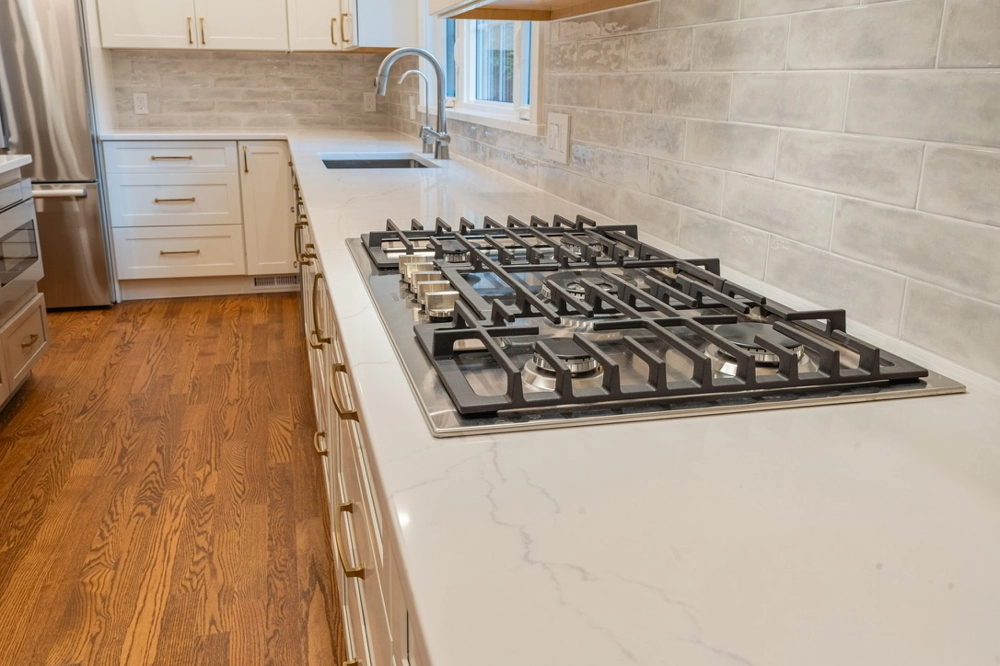
Structural modifications, such as plumbing and electrical updates, can significantly influence the cost of kitchen remodel, sometimes escalating beyond initial estimations. The need for these changes often arises from the desire to optimize kitchen functionality or comply with building codes during renovation. It is vital to thoroughly evaluate whether these modifications are essential, as costs can soar with the complexity of the updates required.
When considering plumbing or electrical updates, ask yourself whether these changes match your kitchen’s purpose and longevity goals. While essential upgrades can enhance functionality and safety, unnecessary modifications can inflate your budget considerably. Conducting a cost-benefit analysis helps determine the potential return on investment, ensuring the cost of kitchen remodel remains manageable and aligned with your financial expectations.
Factors that could drive up the cost of kitchen remodel during structural changes include:
Consulting with a professional designer can provide insights on optimizing space without unnecessary structural changes. A professional’s expertise can prove invaluable in maintaining balance between achieving your desired kitchen aesthetic and managing the overall cost of kitchen remodel. Prioritizing which structural modifications are necessary will help in maintaining budget controls while enhancing the kitchen’s utility and appeal.
Hiring a professional designer plays a crucial role in managing the cost of kitchen remodel effectively. Their expertise in maximizing both space efficiency and aesthetic appeal can significantly influence the overall outcome while adhering to budget constraints. By strategically planning layouts and material selections, designers help homeowners avoid costly mistakes and ensure that every dollar spent contributes to the end goal. Through their knowledge of current industry trends and cost-effective solutions, they can create a design that performs well within the financial plan.
Professional designers bring a profound understanding of how to optimize space. In a kitchen remodel, this skill is invaluable as it ensures that the available square footage is used in the most efficient way possible. This not only enhances functionality but also contributes to reducing unnecessary expenses. Tackling the cost of kitchen remodel means identifying cost-saving opportunities, such as reorganizing the existing layout to avoid structural changes.
Balancing aesthetic desires with financial limitations is another area where designers excel. Their ability to source materials and find alternatives that deliver a high-end look without the high-end cost is a key advantage for homeowners. Designers can incorporate energy-efficient appliances and sustainable materials in a way that aligns with the overall vision of the remodel while staying cognizant of the cost of kitchen remodel. By doing so, they add value without overspending, ensuring a successful and satisfactory renovation.
Planning a kitchen remodel requires careful consideration to ensure both a successful outcome and financial feasibility. Start by defining clear renovation goals, considering both functional and aesthetic improvements you wish to achieve. Prioritizing these goals is crucial, as it helps you allocate your budget effectively and focus on essential aspects of the project. The cost of kitchen remodel projects can vary greatly, so having a clear vision will aid in making informed decisions.
Once you have your goals outlined, list your priorities, such as specific materials or modern appliances that align with your vision. This step helps manage the cost of kitchen remodel by distinguishing between needs and wants. Additionally, incorporate contingency plans by setting aside a portion of your budget for unexpected expenses, which are common in kitchen remodels. This will safeguard your project from unforeseen financial challenges.
Budgeting tools can be immensely helpful in tracking expenses and ensuring you stay within your financial limits. These tools allow you to record expenses in real-time and help in monitoring the cost of kitchen remodel components as the project progresses. By consistently reviewing your budget, you can adjust plans as needed and avoid overspending, ultimately leading to a successful kitchen transformation.

Investing in durable and high-quality materials during your kitchen remodel can significantly reduce long-term maintenance and replacement costs. While the initial cost of kitchen remodel might be substantial, choosing robust materials ensures longevity, meaning fewer financial burdens down the line. Materials like solid wood cabinetry or quartz countertops may require a higher upfront investment but their resistance to wear makes them cost-effective over the years. By minimizing routine maintenance and avoiding frequent replacements, these premium options offer better value.
Durable materials inherently provide long-term benefits, as they withstand the test of time and daily wear and tear. As a result, the need for replacements diminishes, effectively lowering the overall cost of kitchen remodel in the future. This aspect not only safeguards your budget but also ensures consistent functionality and aesthetic appeal in your revamped kitchen.
Investments in quality materials contribute to reduced maintenance requirements, fostering additional savings. High-grade kitchen fixtures and appliances often come with extended warranties and better performance, which minimizes repair expenses. As part of your cost of kitchen remodel considerations, these savings accumulate, offering financial relief over time and enhancing the overall return on your renovation investment.
Underestimating the cost of kitchen remodel is a common mistake that can lead to unwanted financial strain. It’s essential to factor in all potential expenses and allocate a contingency fund for unforeseen issues. Many homeowners fail to account for the hidden costs, such as permitting fees or unexpected structural changes, like plumbing and electrical updates. Moreover, material choices significantly influence the final cost. For example, opting for high-end countertops or custom cabinetry can elevate expenses. Therefore, it’s crucial to conduct thorough research and plan meticulously.
A detailed budget can effectively prevent common financial pitfalls during a kitchen remodel. Start by obtaining multiple quotes for labor costs, as these can vary significantly depending on your location and the project’s complexity. Incorporate an additional 10-20% of your total budget as a buffer for unexpected expenses. Avoid the temptation to cut corners on quality; instead, prioritize value and long-term savings, especially when selecting energy-efficient appliances.
To manage the cost of kitchen remodel more efficiently, consider these strategies:
By following these guidelines, you can achieve a successful remodel while minimizing financial surprises. Planning diligently ensures not only a beautiful kitchen but also a financially manageable project.
Approaching the cost of kitchen remodel with a strategic mindset is pivotal to achieving a successful outcome. Effective budgeting begins with a clear vision of your kitchen remodel goals. Understanding the range of costs—stretching from $25,000 to over $100,000—can prepare you for the decisions ahead. Taking time to research and prioritize elements such as countertops, cabinetry, and energy-efficient appliances will ensure that both form and function are satisfactorily balanced.
Incorporating a well-thought-out plan can significantly influence the final cost of kitchen remodel. Engaging a professional designer can optimize both the aesthetic and utilitarian value of your space, ensuring every dollar spent contributes effectively to your overall vision. This approach helps in mitigating unforeseen expenses that can stretch budgets unexpectedly.
Making informed decisions is essential when navigating the cost of kitchen remodel. It’s wise to weigh short-term expenses against potential long-term savings, especially when considering sustainable material choices that may initially increase costs but reduce future utility bills.
Balancing ambition with prudence in your kitchen remodel endeavors can set a solid foundation for financial management. A successful remodel is achieved not only by spending but by smart investing. Remember to remain adaptable and be ready to refine your plan as your project progresses, always with an eye on maintaining fiscal stability.