
Understanding Initial Costs and Long-term Savings
To embark on your window replacement project with confidence, you first need to understand the key factors that can influence window replacement cost. Materials such as vinyl, wood, and fiberglass each bring their own price considerations. While fiberglass and wood generally have higher upfront costs due to their aesthetic and durable properties, they can enhance the value of your home and contribute to energy efficiency. This is particularly true for energy-efficient windows, which, despite possibly higher initial costs, promise considerable savings on utility bills over time.
Selecting the correct window style is crucial for balancing budget and functionality. Options like single-hung, double-hung, and casement windows offer diverse benefits that may align differently with your budget and aesthetic preferences. Consider the following to optimize your window replacement cost:
Your geographic location significantly impacts the cost of your window replacement project. For instance, labor costs tend to be higher in urban areas relative to rural locations, which can increase your overall budget. Be aware that if your project requires structural modifications or the removal of old windows, these aspects will further add to your window replacement cost. By understanding these variables, you can make informed decisions that effectively balance initial expenses with long-term savings.
When tackling the task of replacing windows, it’s essential to understand the factors that significantly influence window replacement cost. Primarily, the choice of materials plays a pivotal role. Vinyl, wood, aluminum, and fiberglass are common options, each with distinct price points and advantages. Vinyl windows often emerge as the most budget-friendly choice, while wood and fiberglass options, known for their aesthetic appeal and durability, may incur higher costs.
Another substantial element affecting window replacement cost is the complexity of installation. The intricacy can vary depending on the window style— whether it’s a single-hung, double-hung, casement, or bay window. Each has unique demands for installation. Additionally, any required structural modifications can increase the overall expense. Opting for energy-efficient windows might initially heighten costs but leads to long-term savings on utility bills.
Geographic location plays an instrumental role in determining window replacement cost due to variations in labor charges. Urban areas typically see higher labor rates compared to their rural counterparts. Understanding these cost factors and tailoring them to your unique situation is crucial for making informed decisions and ensuring an investment that aligns with your budget and aesthetic desires.
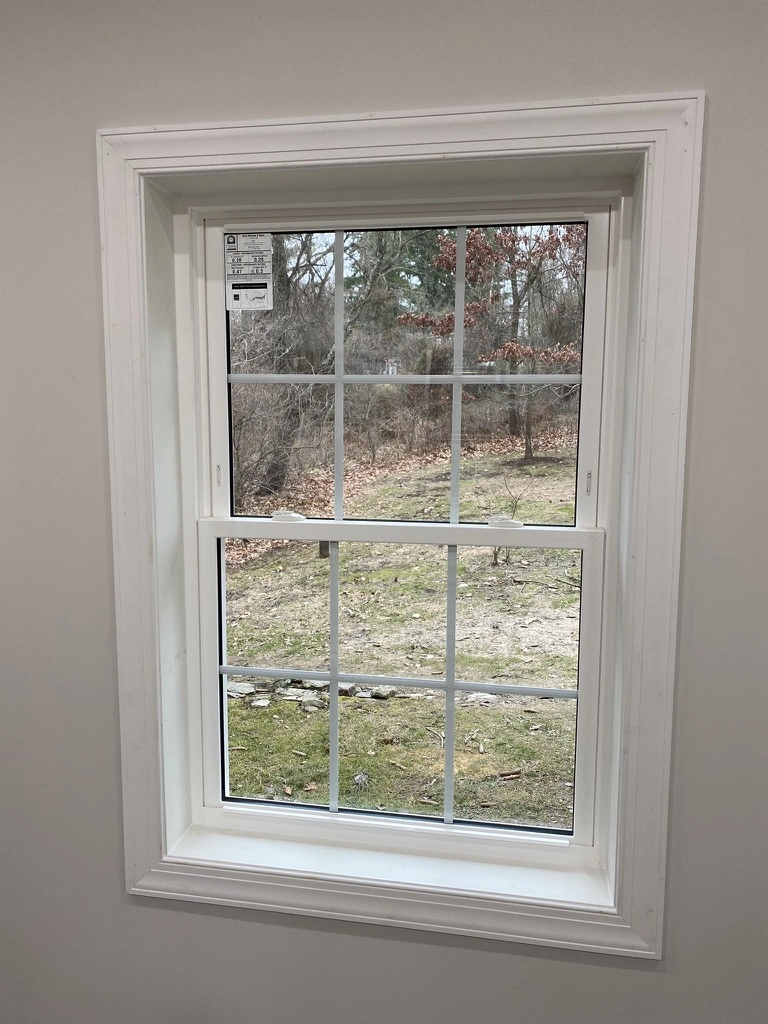
When considering window replacement cost, choosing the right material is crucial. Vinyl windows are a popular choice due to their affordability and low maintenance. They offer excellent energy efficiency, which can lead to savings on heating and cooling bills. However, they may lack the aesthetic appeal of other materials. In contrast, wood windows provide a classic and warm appearance that many homeowners find desirable. Despite being more expensive, wood frames are highly durable and offer excellent insulation, potentially reducing window replacement cost in the long run.
Aluminum windows are known for their sleek design and strength, making them an ideal choice for modern homes. They are lightweight and resistant to corrosion, which makes them suitable for various climates. However, aluminum is not as energy-efficient as other materials and may contribute to higher utility bills, impacting overall window replacement cost.
Fiberglass windows strike a balance between durability and energy efficiency. They have a similar aesthetic to wood but without the maintenance hassles. Fiberglass is resistant to warping, expanding, and contracting, which can extend the life of your windows and potentially lower future window replacement cost. While the initial investment is higher, the long-term benefits make fiberglass an appealing option.
Understanding the differences between single-hung and double-hung windows is essential for homeowners considering window replacement. Single-hung windows feature a fixed top sash and a movable bottom sash, offering simplicity in design and often a lower window replacement cost. They are an excellent option for those seeking cost-effective solutions without compromising on aesthetic appeal. Double-hung windows, on the other hand, offer greater versatility with both sashes operable, allowing for improved ventilation and ease of cleaning. These features, while beneficial, can add to the window replacement cost.
When evaluating window replacement cost, single-hung windows generally prove to be more budget-friendly. However, the long-term benefits of double-hung windows, such as energy efficiency and ease of maintenance, may justify their higher initial expense. Making a choice between the two often depends on weighing immediate costs against future savings and convenience.
Beyond cost, function plays a crucial role in deciding between single-hung and double-hung windows. The ability to open both sashes in double-hung windows enhances airflow, providing a practical advantage over single-hung models. However, if your priority leans towards simple design and lower installation expenses, single-hung windows can adequately meet your needs. Considering these aspects can guide you to a choice that aligns with both your budget and lifestyle.
Investing in energy-efficient windows can significantly affect the window replacement cost. Although they often come with a higher initial price, these windows provide long-term savings by reducing energy bills. When considering window replacement, it’s essential to weigh the immediate expense against potential future savings, as this can greatly influence financial decisions.
Energy-efficient windows can initially be more expensive due to advanced technologies and materials. However, they contribute to lower heating and cooling costs, allowing homeowners to recoup some of the expenses over time. These windows often feature specialized glazing or coatings that minimize energy loss, enhancing their overall efficiency.
Several factors can impact the window replacement cost when opting for energy-efficient options.
Understanding these aspects can guide homeowners in making cost-effective choices that balance upfront expenses and long-term savings.
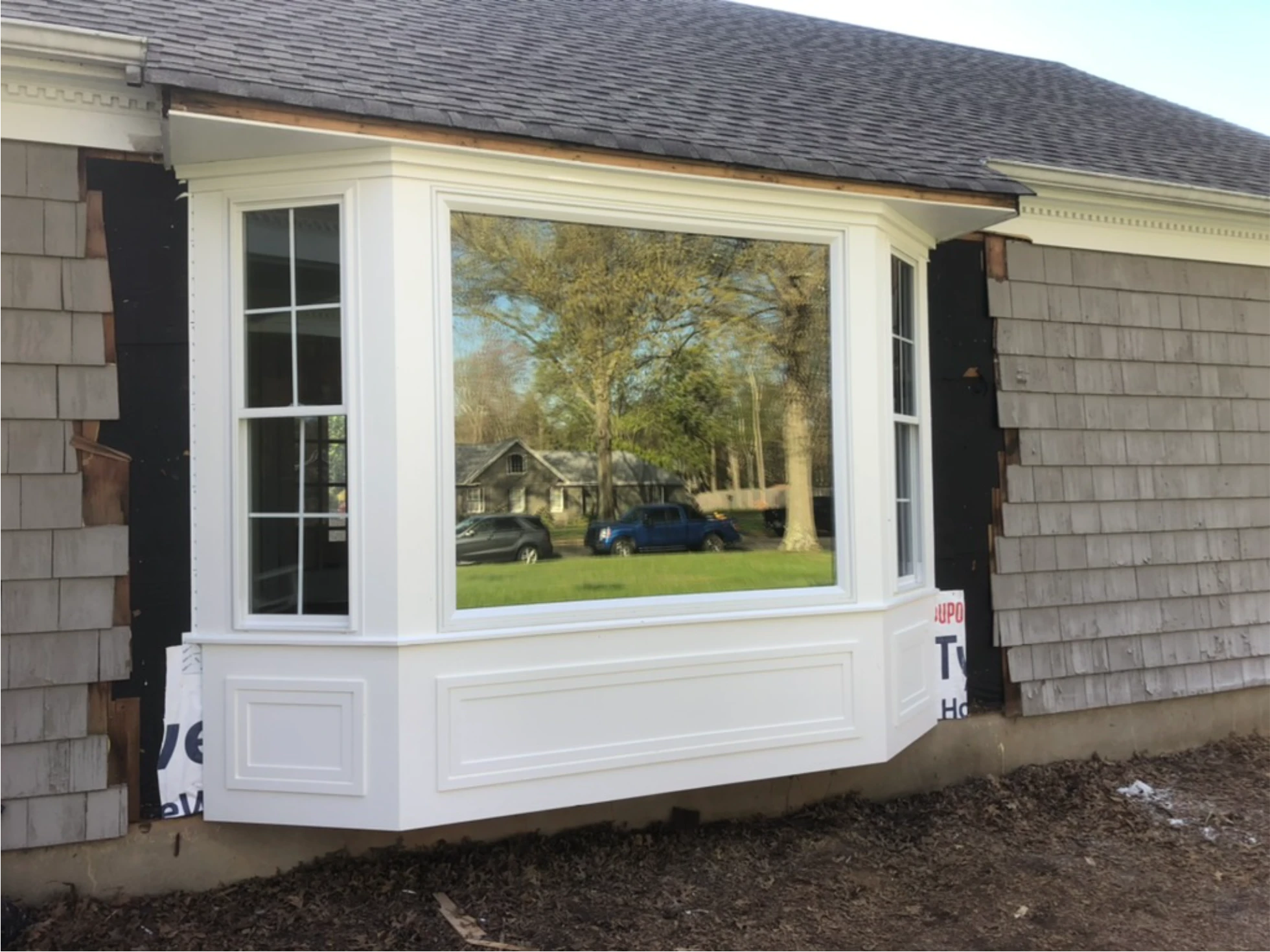
Geographic location plays a crucial role in determining the window replacement cost for your home. Labor rates vary significantly between urban and rural areas, often resulting in higher expenses in more densely populated cities. In urban environments, the demand for skilled labor tends to be greater, pushing up the cost of hiring experts for window installation. Conversely, rural areas may offer more affordable labor costs due to a lower demand for these services. Understanding these differences can help you plan your budget more efficiently and make informed decisions about window replacement costs.
In addition to labor costs, the availability of materials can fluctuate based on your geographic location, ultimately affecting the window replacement cost. Urban areas generally have better access to a wide variety of materials, which can lead to shorter lead times and potentially lower costs. On the other hand, rural locations might face challenges in sourcing specific materials, sometimes leading to increased expenses due to shipping or limited choices.
When planning your window replacement project, consider these factors to effectively manage your budget:
By taking these elements into account, you can strategically plan your window replacement cost and reduce the financial burden on your wallet.
When considering the window replacement cost, the size and style of the windows play crucial roles. Large or custom-designed windows often bring elegance and uniqueness to homes but may also lead to increased expenses. This is because larger panes require more materials and may involve complex installation processes, driving up labor costs. On the other hand, standard window sizes and basic styles tend to be more budget-friendly, providing your home with excellent utility while keeping costs down.
Choosing custom window designs can considerably affect the window replacement cost. While they offer personalized aesthetics, their bespoke nature often demands more specialized work and materials, translating to higher prices. Custom windows are often crafted to specific dimensions and unique styles, which can add to both the allure and expense of your home improvement project.
For homeowners looking to minimize expenses, selecting standard window sizes and styles is a wise strategy. These options are generally mass-produced, allowing for greater availability and reduced prices. The consistency in shape and size means quicker installation, further decreasing the window replacement cost. By opting for more common styles, you can efficiently maintain both budget and beauty in your home renovation endeavors.
When considering the window replacement cost, it’s essential to factor in potential additional expenses such as structural modifications and old window removal. These elements can often be overlooked, leading to unexpected budget increases. Structural changes might be necessary if the new windows differ in size or style from the existing ones, requiring adjustments to the wall or frame. Similarly, removing old windows can involve additional labor or disposal fees, particularly if the windows contain hazardous materials such as lead paint or asbestos.
To avoid budget surprises, it’s crucial to anticipate these potential additional costs when planning your window replacement. Consider consulting with professionals who can provide an accurate assessment and cost estimate. By doing so, you can ensure that the overall window replacement cost aligns with your financial plans. Having a contingency fund within your budget can also help manage unforeseen expenses, ensuring your project progresses smoothly.
Getting precise estimates from experienced contractors is invaluable when calculating your window replacement cost. These professionals can identify all necessary modifications and removals, providing a detailed breakdown of associated costs. Accurate estimates allow you to create a realistic budget, preventing unexpected financial strain and ensuring you remain on track with your window replacement goals.
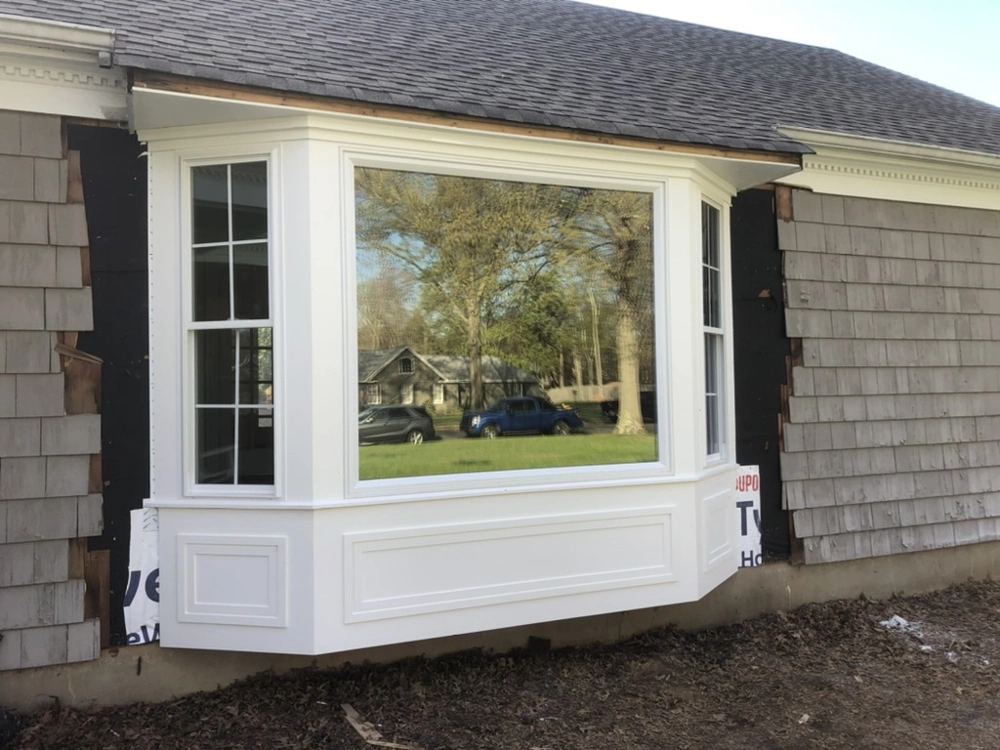
Evaluating vinyl windows as a budget-friendly option for your 2026 window replacement project is a smart move for homeowners seeking to manage expenses without compromising quality. Vinyl windows are particularly appealing due to their affordability compared to other materials like wood and fiberglass. This cost-effectiveness is a significant factor in reducing overall window replacement cost, making vinyl windows a popular choice for both modern and traditional homes. Their durability also ensures that you won’t need frequent replacements, offering long-term financial relief.
In addition to the competitive initial cost, vinyl windows require minimal maintenance, further driving down the window replacement cost over time. With their resistance to warping, rot, and corrosion, these windows eliminate the need for regular repairs or upkeep, which can be an expensive aspect of home maintenance. Their longevity means they remain functional and visually appealing for many years, thereby enhancing the overall value of your home while keeping maintenance costs low.
Another advantage of vinyl windows is their aesthetic versatility. Available in an array of colors and finishes, they can seamlessly match your home’s existing decor while keeping window replacement cost manageable. The aesthetic flexibility of vinyl windows allows homeowners to enhance curb appeal without the hefty price tag often associated with other materials. Furthermore, their sleek design can improve both the interior and exterior look of your home, making them an attractive option for those looking to balance cost with visual appeal.
Investing in wood and fiberglass windows can initially seem costly, yet these options prove worthwhile in the long run. Their exceptional durability ensures they withstand various weather conditions, maintaining their aesthetic appeal over time. This sturdiness means fewer replacements and lower maintenance costs, positively impacting the overall window replacement cost. Despite a higher upfront expenditure, their longevity and resilience offer a significant return on investment as they require less frequent repairs or replacements compared to other materials.
Wood and fiberglass windows are highly regarded for their distinct visual appeal. Wood offers timeless elegance, enhancing the charm of traditional and modern homes alike. Fiberglass, on the other hand, provides versatility with its sleek, customizable designs that can mimic wood or achieve a clean, modern look. Homeowners often find that the visual benefits justify the increased window replacement cost, as these windows contribute significantly to a property’s overall aesthetic, thereby potentially increasing its market value.
Though the initial window replacement cost for wood and fiberglass can be higher, these materials boost home value through their energy efficiency. Their insulating properties help maintain indoor temperatures, reducing energy usage and lowering utility bills. This efficiency, paired with their aesthetic and durable qualities, makes investing in wood and fiberglass windows a financially sound decision. Over time, the savings on energy and increased home value can more than compensate for the initial investment.
Opting for energy-efficient windows is a smart financial decision in 2026. Though the initial window replacement cost might seem steep, these windows can drastically cut down your energy bills. By minimizing heat loss and reducing the need for heating and cooling, energy-efficient windows contribute significantly to annual savings. This makes them a worthwhile long-term investment, easing the financial burden of monthly utility expenses and offering peace of mind.
Beyond merely saving money, energy-efficient windows allow homeowners to reduce their carbon footprint. Lower energy consumption means fewer greenhouse gases, aligning with global efforts to combat climate change. With the window replacement cost as an upfront investment, the environmental benefits are substantial. Homeowners can feel confident that their contributions help sustain the planet while maintaining comfort indoors.
While the window replacement cost incorporates various elements such as materials and installation, the savings over time cannot be overlooked. Many regions offer tax credits or incentives for installing energy-efficient upgrades, further offsetting initial expenses. When selecting windows this year, consider how the reduction in energy bills can enhance your budget over the next decade, effectively recouping the initial costs and enhancing property value.
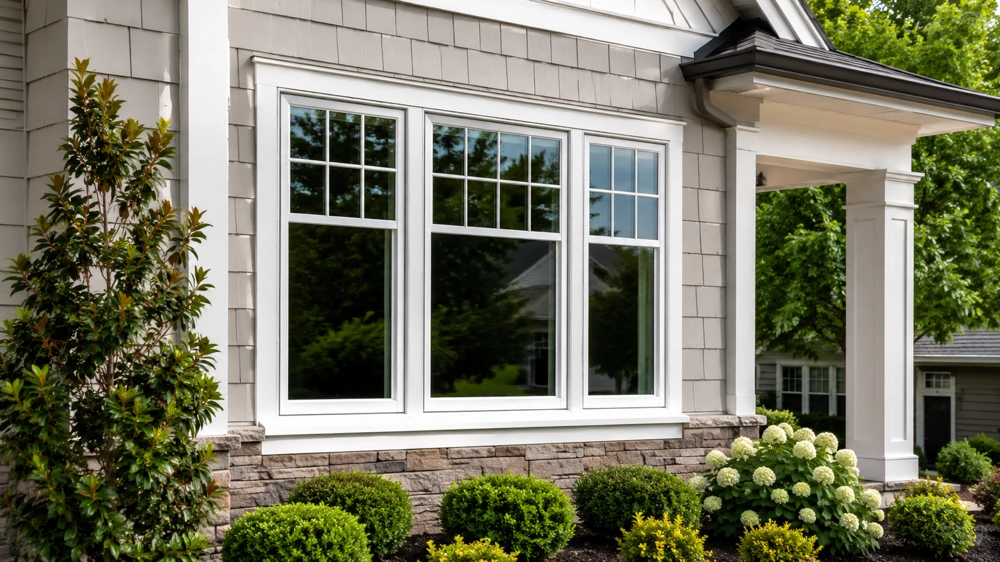
Understanding how labor costs vary between urban and rural areas is crucial when planning for window replacement cost. In urban regions, the demand for services tends to be higher, leading to increased labor rates compared to rural areas. This can significantly impact the overall window replacement cost, especially if you are replacing multiple windows. By gaining insights into these differences, homeowners can better prepare their budgets and make informed decisions.
Labor costs can differ vastly due to geographic diversity. Urban areas, with their bustling economic activities, generally have higher labor rates due to higher living expenses and demand for services. In contrast, rural areas might offer more affordable labor costs, but with potential trade-offs in terms of availability and scheduling flexibility. Understanding these dynamics is essential for accurately estimating the window replacement cost.
When budgeting for your window replacement cost, consider both the financial and logistical aspects of labor. While urban areas might offer faster service due to more available personnel, the cost savings in rural regions can be compelling if you plan well. Evaluate both scenarios, considering travel costs for urban-based contractors versus potential wait times for rural services. Balancing these factors ensures you manage your window replacement cost effectively while achieving desired results.
Choosing the right windows is crucial in reducing long-term utility expenses. While initial window replacement costs might seem high, selecting energy-efficient windows can lead to substantial savings. Modern energy-efficient windows are designed to minimize heat transfer, keeping homes warmer in winter and cooler in summer. By investing in such windows, homeowners can enjoy a significant reduction in their energy bills over time.
When considering window replacement cost, it’s essential to balance initial expenses with potential energy savings. Opting for high-quality vinyl or double-glazed windows might require a larger upfront investment, but their insulating properties contribute to lowering heating and cooling expenses. Energy-efficient models often come with features like low-E coatings that further enhance savings.
Smart window replacement choices can drive down energy costs significantly. Prioritize installing windows with excellent ratings in energy efficiency to maximize benefits. Additionally, consider the geographic climate and house orientation; south-facing windows in colder areas might benefit more from high-insulation frames. By carefully selecting the right combination of materials and styles, you can optimize your investment and achieve lasting reductions in utility expenditures associated with window replacement costs.
Effectively managing your window replacement cost in 2026 requires a keen understanding of the factors that influence pricing and careful planning of your project. Ensure you select the right materials, as they significantly impact both the initial cost and long-term value. Vinyl is budget-friendly, while wood and fiberglass, though pricier, offer superior aesthetics and durability. Energy-efficient options also contribute to cost savings over time, despite their initial higher investment.
Your geographic location plays a crucial role in labor costs. Urban areas generally incur higher expenses compared to rural areas. It’s vital to account for possible structural modifications; removing or replacing old windows can add to your window replacement cost and should be budgeted for accordingly.
Opting for energy-efficient windows, although initially expensive, can lead to substantial utility savings in the long run. These windows not only enhance comfort but also provide continual returns on your investment. Balancing upfront costs with potential long-term benefits is key to effectively managing your window replacement cost.